Booking inside Messenger · 2025 · providers chose their video: built-in VSee, their own room, Zoom or Google Meet
01 — The problem
$475 a month to stay open
The 2022 pilot ran inside Facebook Messenger on paid Calendly, Zoom, ManyChat and Zapier, for $475 a month. It stayed small: we paid for people’s first sessions and moved slowly on purpose, because Indigenous communities have long been researched on rather than included. A pilot that small couldn’t fund a custom app.
So cost became the brief: rebuild everything I could on free tiers and my own code, inside the app people already had. The new version launched on August 28, 2025, at $30 a month.
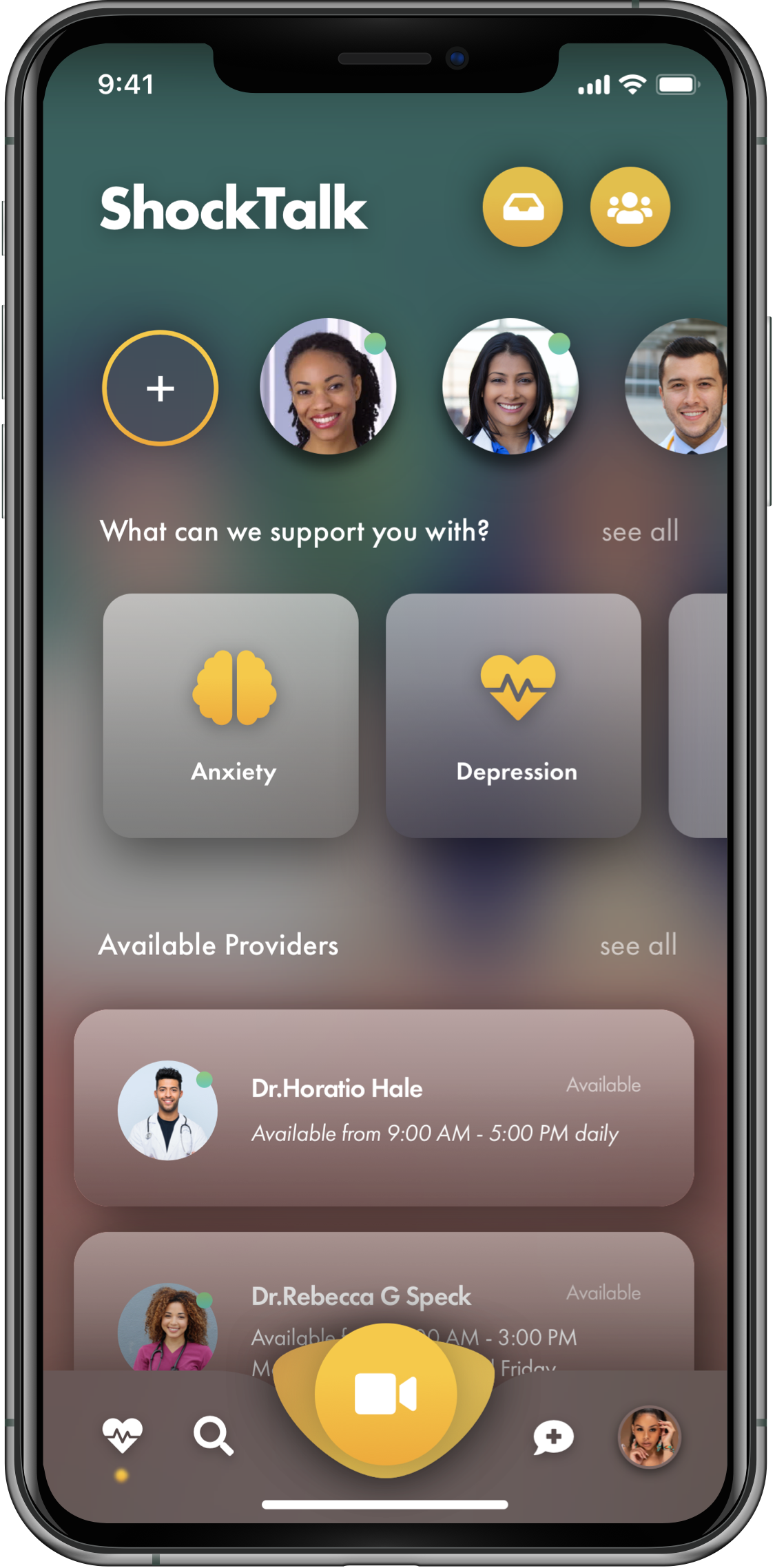
Same glass · Messenger webview, 2025 → iOS with dark-mode tint, 2026
02 — The bet
The app was half-built before I needed it
I built every glass screen in React Native Web, not plain React, so each one worked on iOS as well as the web, from consent to the crisis line that’s always one tap away.
In February 2026, Facebook stopped letting us message anyone who hadn’t replied in 24 hours, so reminders and follow-ups broke. I found out while onboarding someone, which was embarrassing. A HIPAA-compliant AI assistant that let people pick up where they left off was a clunky band-aid. Because the parts already ran on iOS, the app was live two months later.
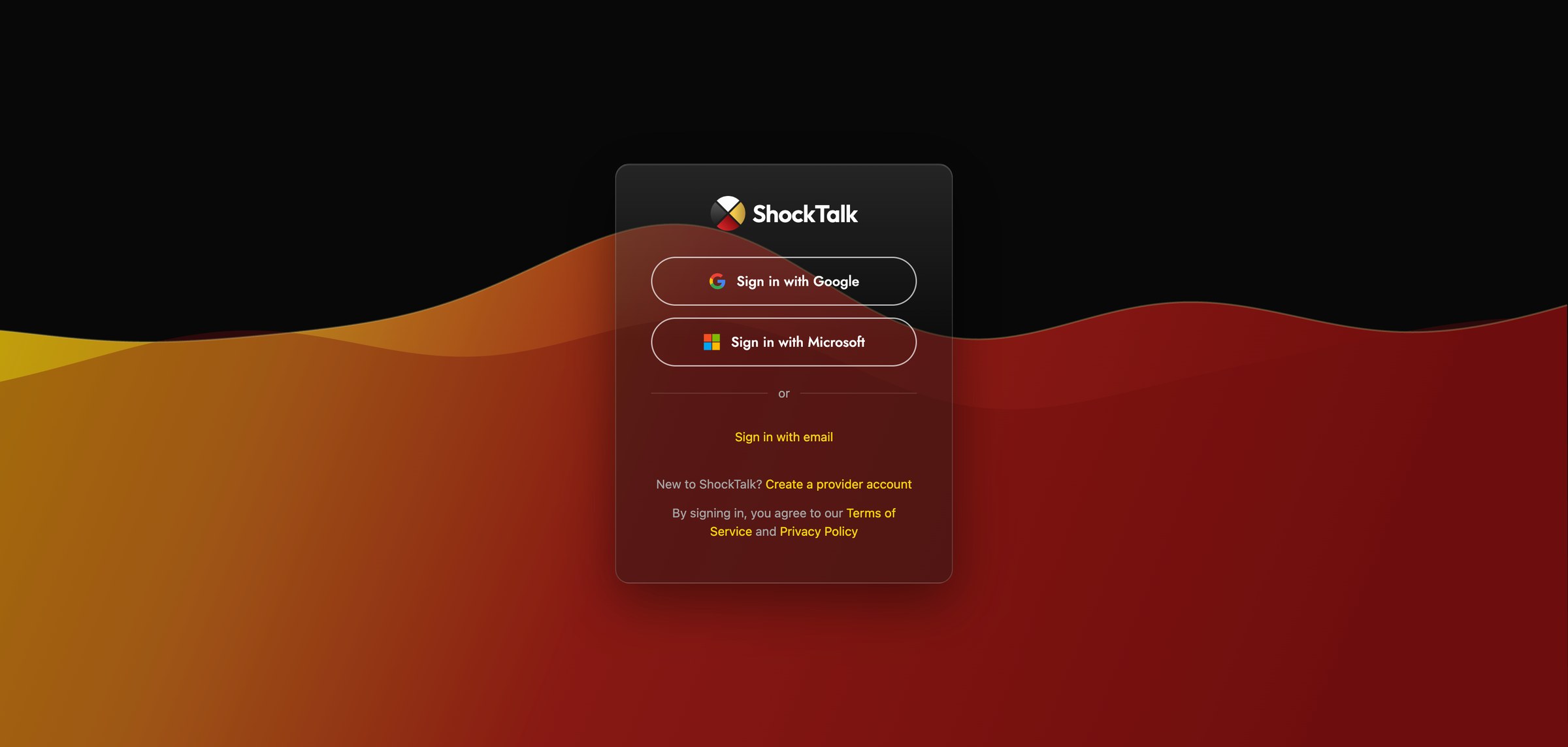
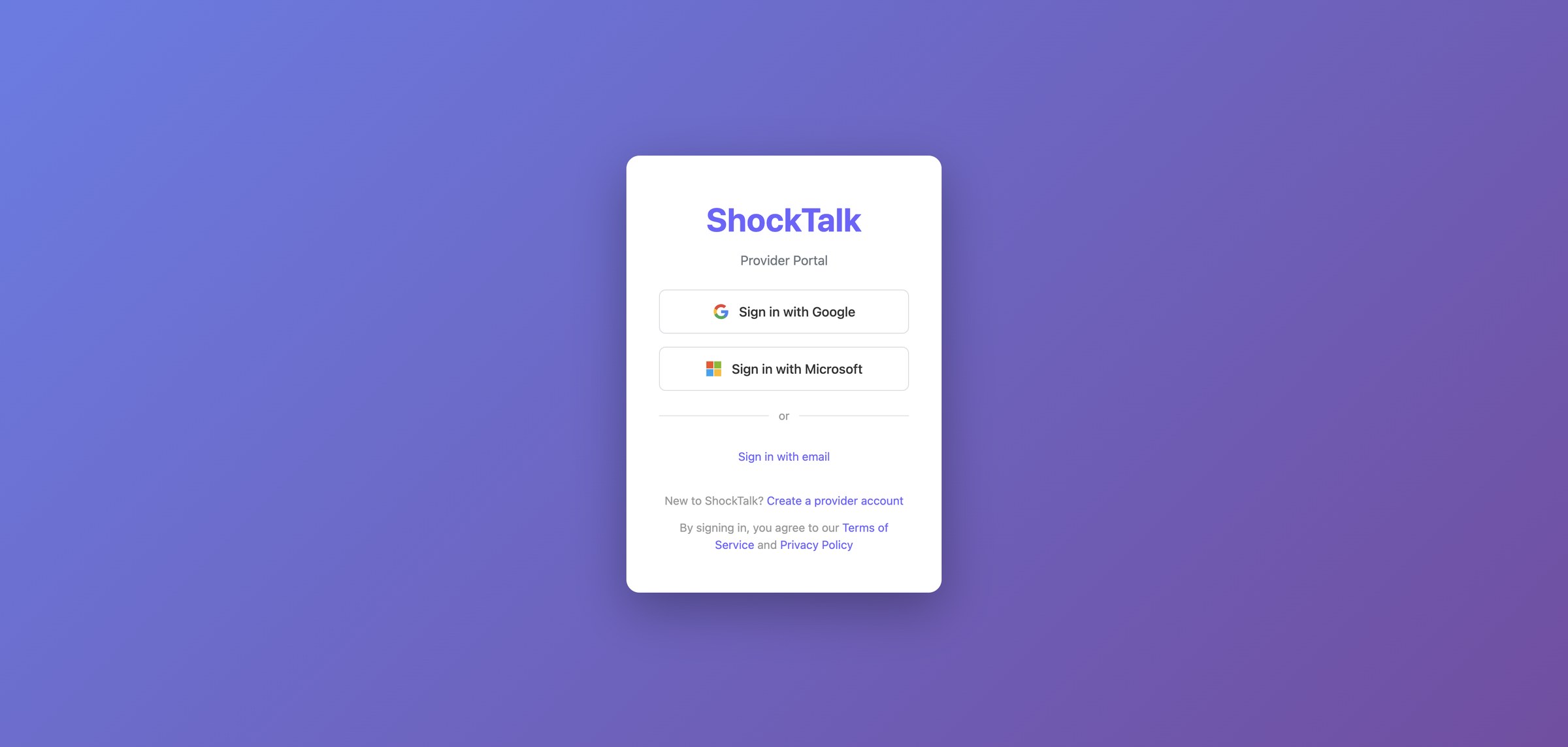
Provider sign-in · drag to compare
03 — The mistake
The portal I rushed
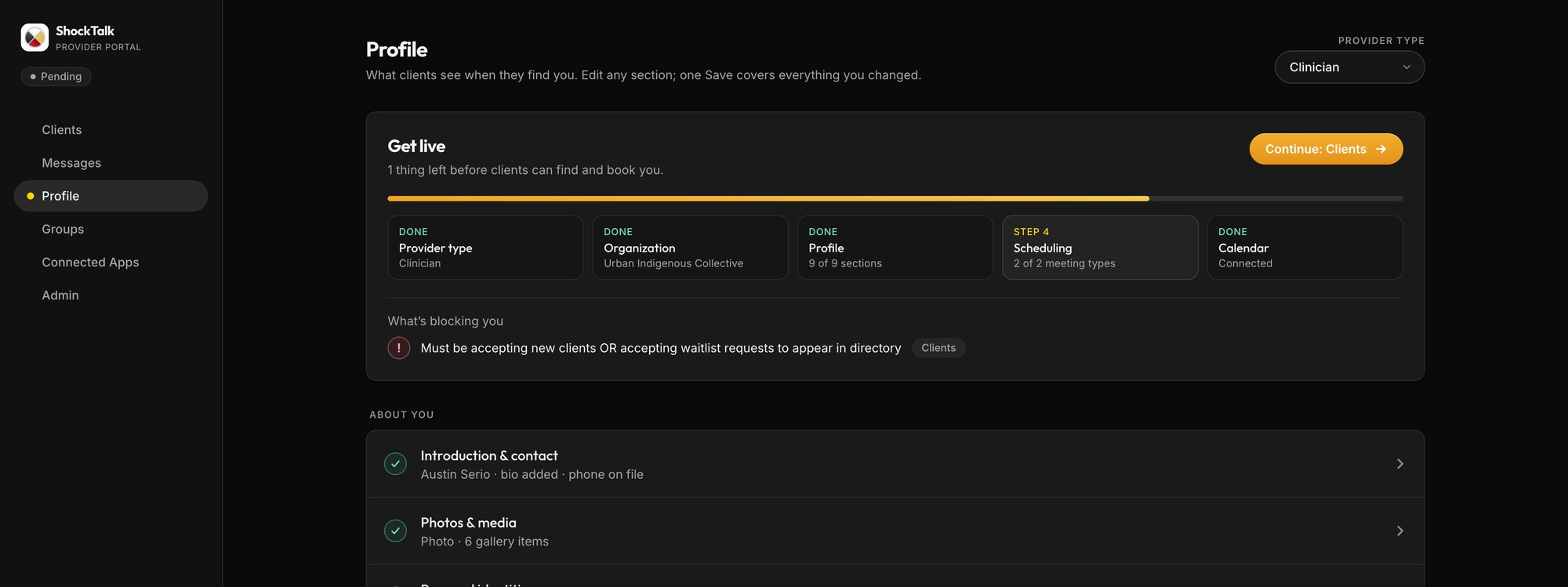
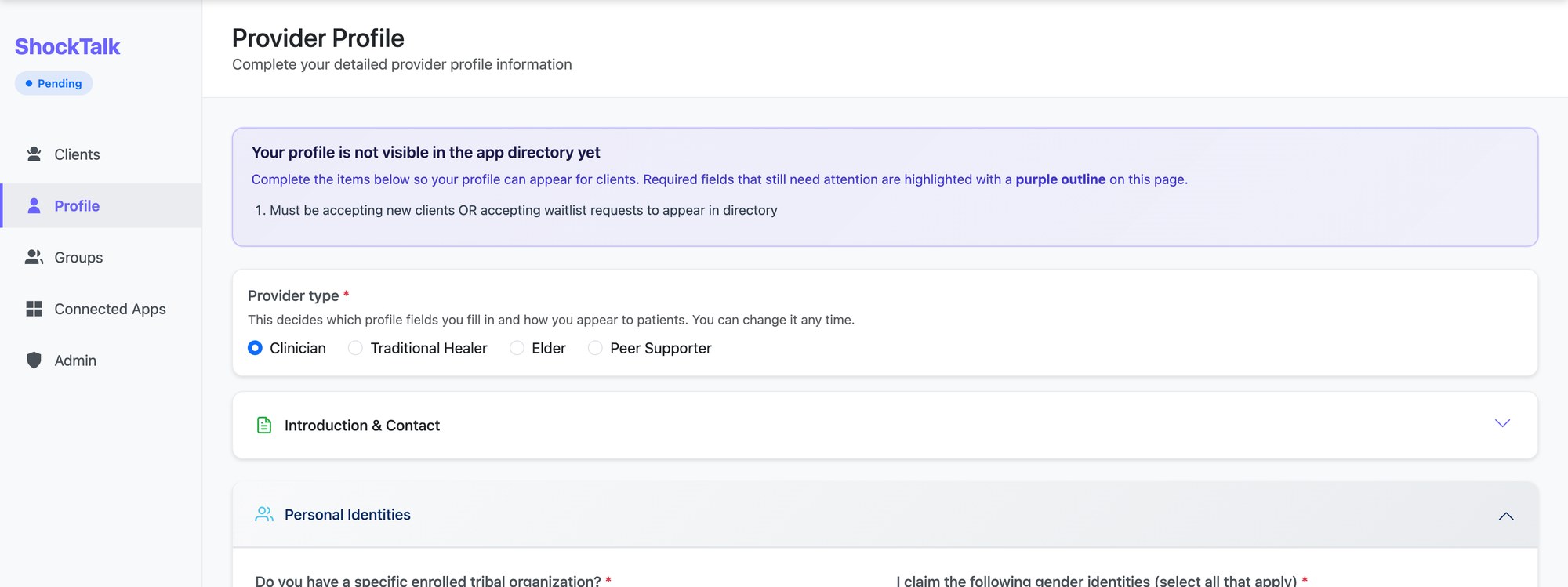
The provider portal got the opposite treatment. I put it up fast as Jinja templates with Bootstrap and never branded it, because it was meant to be throwaway scaffolding. That choice snowballed.
Providers never complained; they called it easy to use. But it had grown from a place to edit your profile into a tool for running an organization’s programs, one giant template was slowing down, and the roadmap needed a modern base. In November 2026 I redesigned it in Next.js and Tailwind, starting from WocconWaker’s admin panel. Providers are piloting it now.